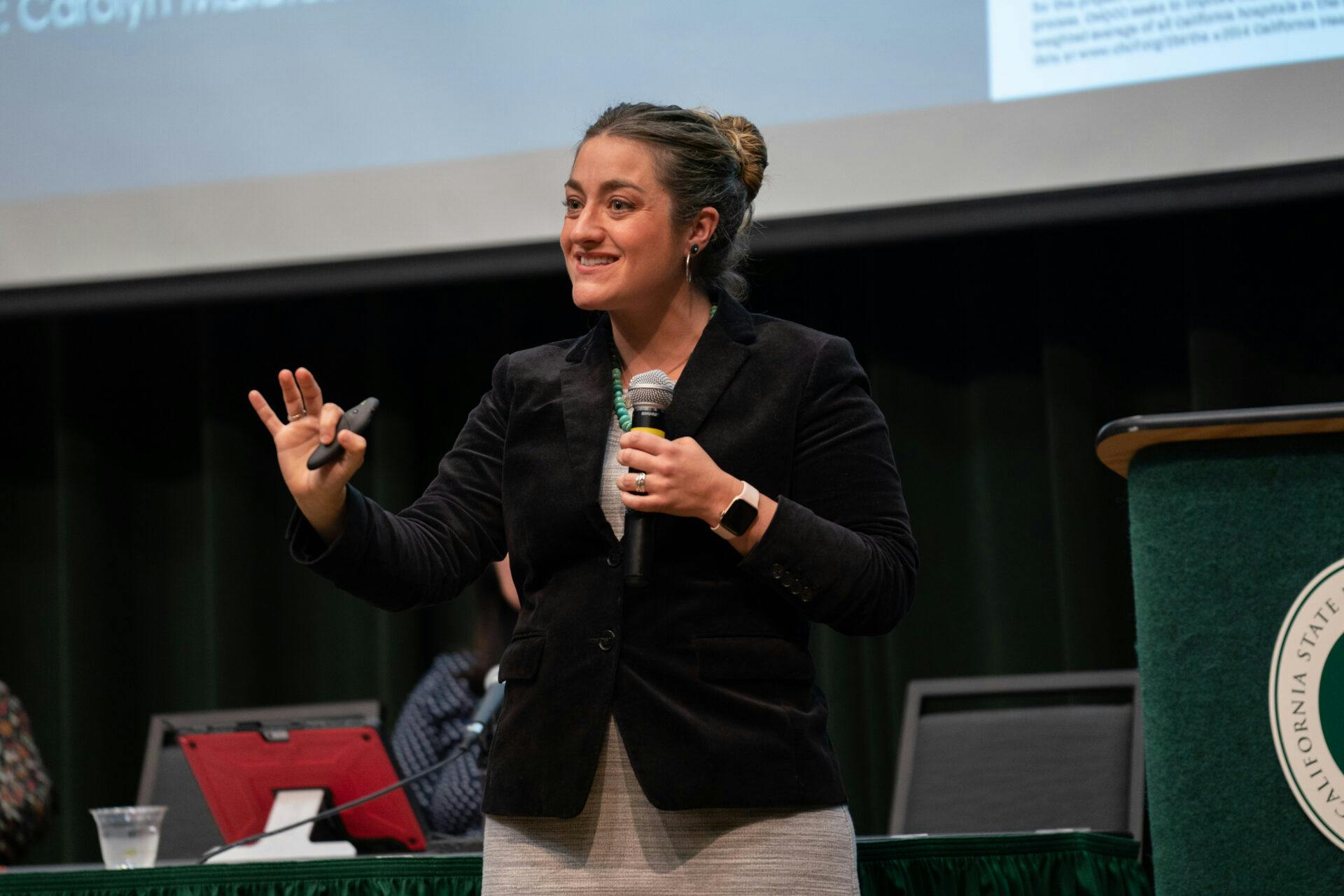
Good Intentions and Lived Reality
The van rattled through an industrial stretch of Cleveland, past empty warehouses and crumbling row houses, before stopping in front of a housing project that looked abandoned except for the children out front. Inside the community center, the windows of the basketball court were shot out. In the kitchen, the sink—the one she was supposed to use to prepare snacks—was full of maggots.

Lauren Hall was twenty, and she was serving with AmeriCorps. The grant said she was there to teach watershed education—how rivers flow, how pollution travels, and how systems connect. But in that room, the lesson felt absurd. The children weren’t thinking about watersheds. They were thinking about how to navigate community gun violence, toxic lead on their playground, and the reality of incarcerated parents.
She and the other volunteers did what they could. They cleaned, improvised, listened. They played basketball on the cracked court and made sandwiches when the sink got fixed. “We made a difference,” she would later say, “not because we taught them anything about watersheds, but because we were there.”
It was her first glimpse of how systems built on good intentions can miss the human reality right in front of them. The question that followed her into graduate school was simple and relentless: What does genuine progress require?
Finding an Interdisciplinary Sandbox
It was that question that led Lauren Hall to her first IHS event held at Stanford: “Social Change Workshop – Institute for Humane Studies.” There she found an interdisciplinary sandbox: philosophers sparring with economists, and political theorists trading notes with applied thinkers late into the night. "What struck me about the IHS workshops was that they were so non-ideological," Lauren said. "None of the speakers had an axe to grind, none felt like they were trying to push me in any direction. It felt like they were offering fascinating ideas for how to think outside the box about the problems we're facing."
"What struck me about the IHS workshops was that they were so non-ideological."

A session by IHS faculty mentor and philosopher Dave Schmidtz on African wildlife management snapped abstract theory into practical focus—showing how people, left room to cooperate, solve problems in their own worlds. The mentorship culture she found at IHS mattered.
Despite the intimidating brainpower, faculty were open, bold, and eager to challenge and be challenged. "IHS has been a constant through-line in my career," Lauren said. "I like to joke that I got a second PhD in PPE as a result of IHS, because I was interacting with all these economists and philosophers. I certainly would never have been exposed to that kind of interdisciplinary rigor otherwise." For a young scholar from a non-elite program, that openness—and the rooms IHS opened—proved decisive.
"I like to joke that I got a second PhD in PPE as a result of IHS, because I was interacting with all these economists and philosophers. I certainly would never have been exposed to that kind of interdisciplinary rigor otherwise."
Taking Ideas from Theory to Testimony
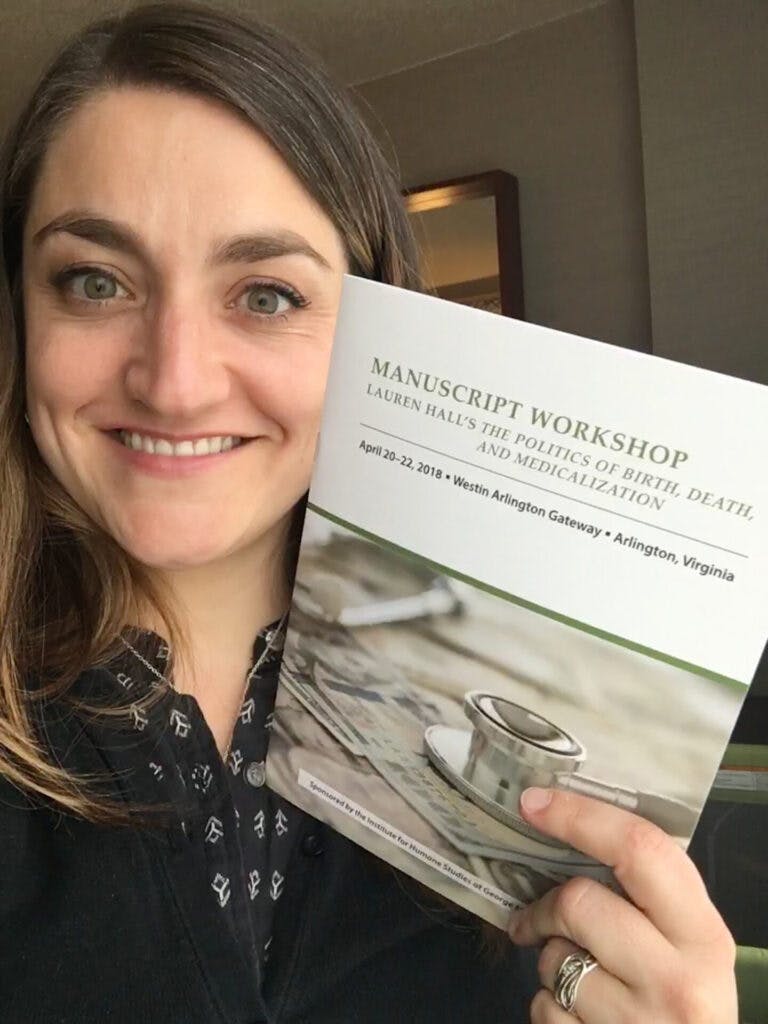
Nearly two decades later, the graduate student is now professor of political science at Rochester Institute of Technology. Her book The Medicalization of Birth and Death shaped testimony in the Ohio statehouse—ideas carried from theory into lawmaking.
She credits IHS not with giving her answers but with providing something rarer: a way of approaching problems—with curiosity, courage, and intellectual generosity. That outlook now grounds her vision of “radical moderation”: refusing the false binaries that fracture politics, health care, and family life. With a new book underway, her Radical Moderate’s Guide to Life community growing, and the podcast We Made This Political that she co-hosts with Lura Forcum of the Independent Center running, she’s emerging as a public voice for balance in an age that rewards outrage.
By supporting IHS, you invest in scholars at a formative stage in their careers—not only with crucial financial support, but also with inspiration and connections to other like-minded and driven intellectual collaborators that they can’t find anywhere else.